

Trauma Programs Explained: How They're Different From Shelters & Rehab Centers
- Eryka Mabus
- Jan 8
- 5 min read

When women are searching for help after trauma, the options can feel overwhelming and confusing. You might hear about shelters, rehab centers, and trauma programs: but what's the difference? And more importantly, which type of support will truly meet your needs for healing?
At Kairos Hope, we understand this confusion because we hear these questions regularly. Many women aren't sure whether they need a shelter for immediate safety, a rehab program for addiction, or something else entirely. The truth is, women's trauma programs offer something unique that neither shelters nor traditional rehab centers provide: a specialized focus on deep, lasting healing from traumatic experiences.
Let's break down exactly what makes women's trauma programs different and why this distinction matters for your recovery journey.
What is a Women's Trauma Program?
A woman's trauma program is a specialized therapeutic environment designed specifically to address the psychological, emotional, and spiritual impacts of trauma. Unlike other types of programs, trauma recovery focuses on helping women process difficult experiences, develop healthy coping skills, and rebuild their sense of safety and self-worth.
These programs use evidence-based approaches like EMDR and licensed counseling, which means every aspect of the program acknowledges how trauma affects a person's life. The goal isn't just to manage symptoms: it's to help women understand their trauma, process their experiences, and develop the tools they need for long-term healing and growth.
How Are Trauma Programs Different From Shelters?
Shelters serve a critical and life-saving purpose: they provide immediate safety and housing for women escaping dangerous situations. If you're in immediate physical danger, a shelter is often the first and most important step.
However, shelters are designed for crisis intervention and temporary relief. They focus on meeting basic needs like safety, food, and housing while you stabilize your situation. Most shelters have time limits: typically 30 to 90 days: because they're meant to be a bridge to something more permanent.
Women's trauma programs, on the other hand, are built for deeper, longer-term healing work. While safety is still a priority, the focus shifts to therapeutic recovery. In a trauma program, you'll work through the emotional and psychological impact of your experiences, not just find a safe place to stay.
At Kairos Hope, for example, residents don't just have a bed and meals: they participate in community activities, receive individual counseling, engage in group therapy, and build lasting relationships. The environment feels more like a healing home than an emergency place to land.
How Are Trauma Programs Different From Rehab Centers?
This distinction often causes the most confusion. Traditional rehabilitation centers primarily focus on substance abuse treatment. While they may address some underlying issues, their main goal is helping people overcome addiction to drugs or alcohol.
Rehab programs typically follow a medical model with detox, group therapy sessions focused on addiction, and education about substance abuse. The treatment is usually shorter-term: often 30, 60, or 90 days: and the primary measure of success is maintaining sobriety.
Women's trauma programs take a different approach entirely. While some residents may also struggle with substance use, that's not the primary focus. Instead, these programs recognize that trauma is often the root cause of many other issues, including addiction, depression, anxiety, and relationship problems.
The treatment timeline is typically longer because healing from trauma takes time. There's no rushing the process of rebuilding trust, processing difficult emotions, and developing new patterns of thinking and relating to others.
This approach is called the Wellness Model. Unlike the medical model that focuses solely on the addiction and sobriety, the wellness model aims to achieve balance in 8 core areas: emotional, social, environmental, occupational, financial, physical, intellectual, and spiritual.
The Unique Value of a Women's Trauma Program
What makes Kairos Hope's women's trauma programs truly special is their holistic, personalized approach to healing. Here's what sets them apart:
Trauma-Informed, Women-Centered Care
Every aspect of the program is designed with an understanding of how trauma affects women specifically. This includes recognizing the unique challenges women face, such as gender-based violence, the impact of trauma on finances and reputation, and the complex ways women often blame themselves for their experiences.
Community and Connection
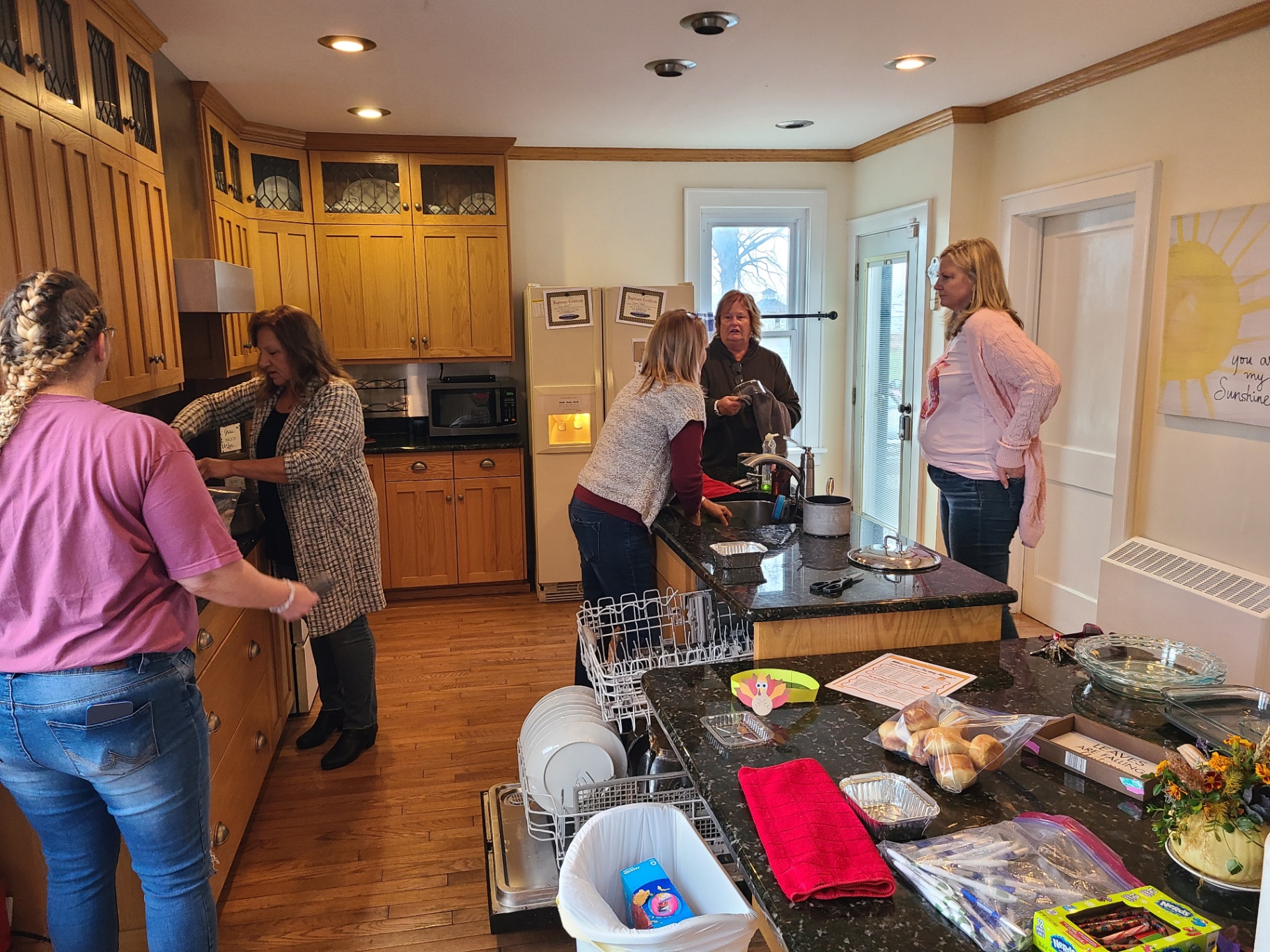
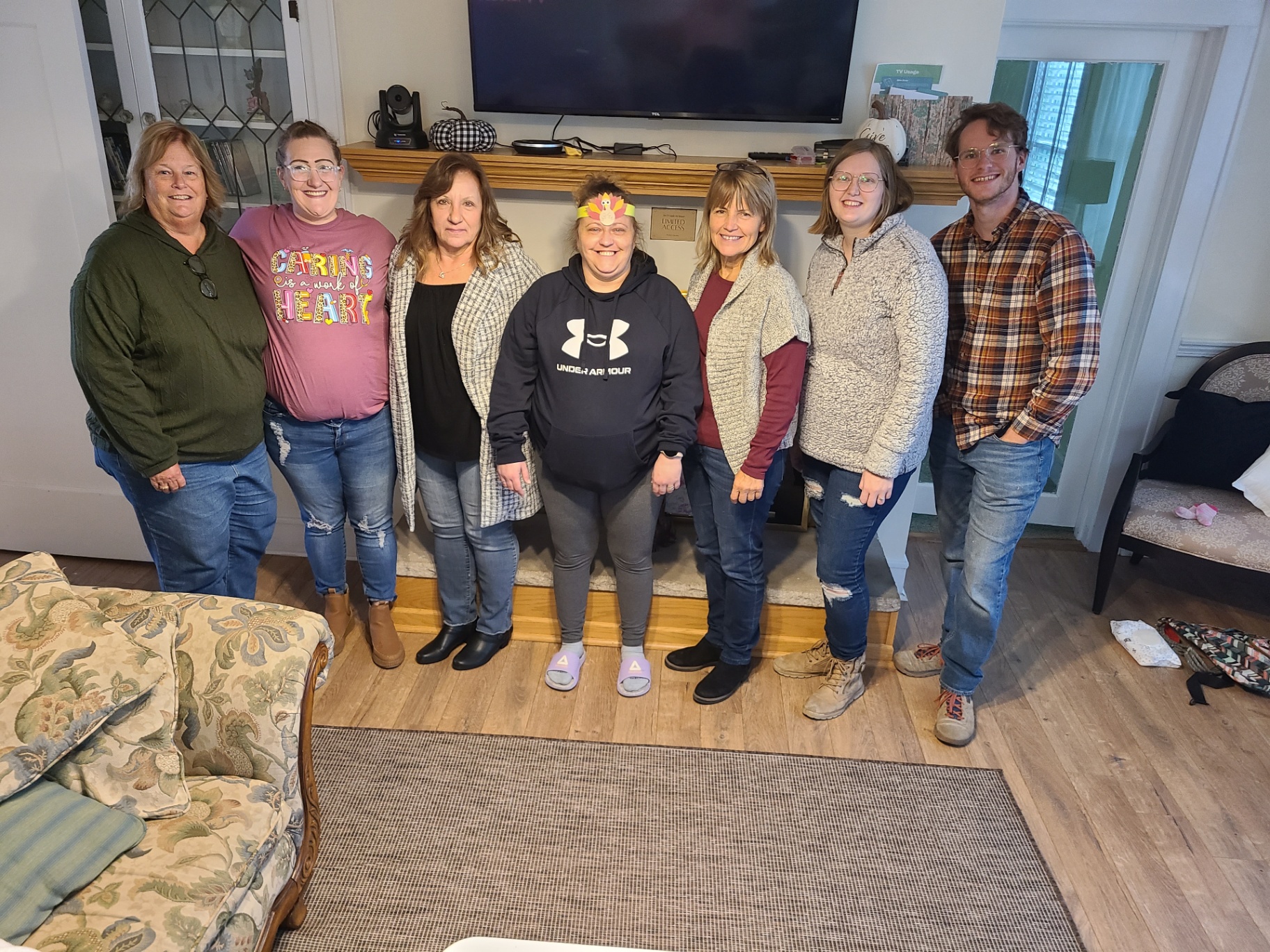
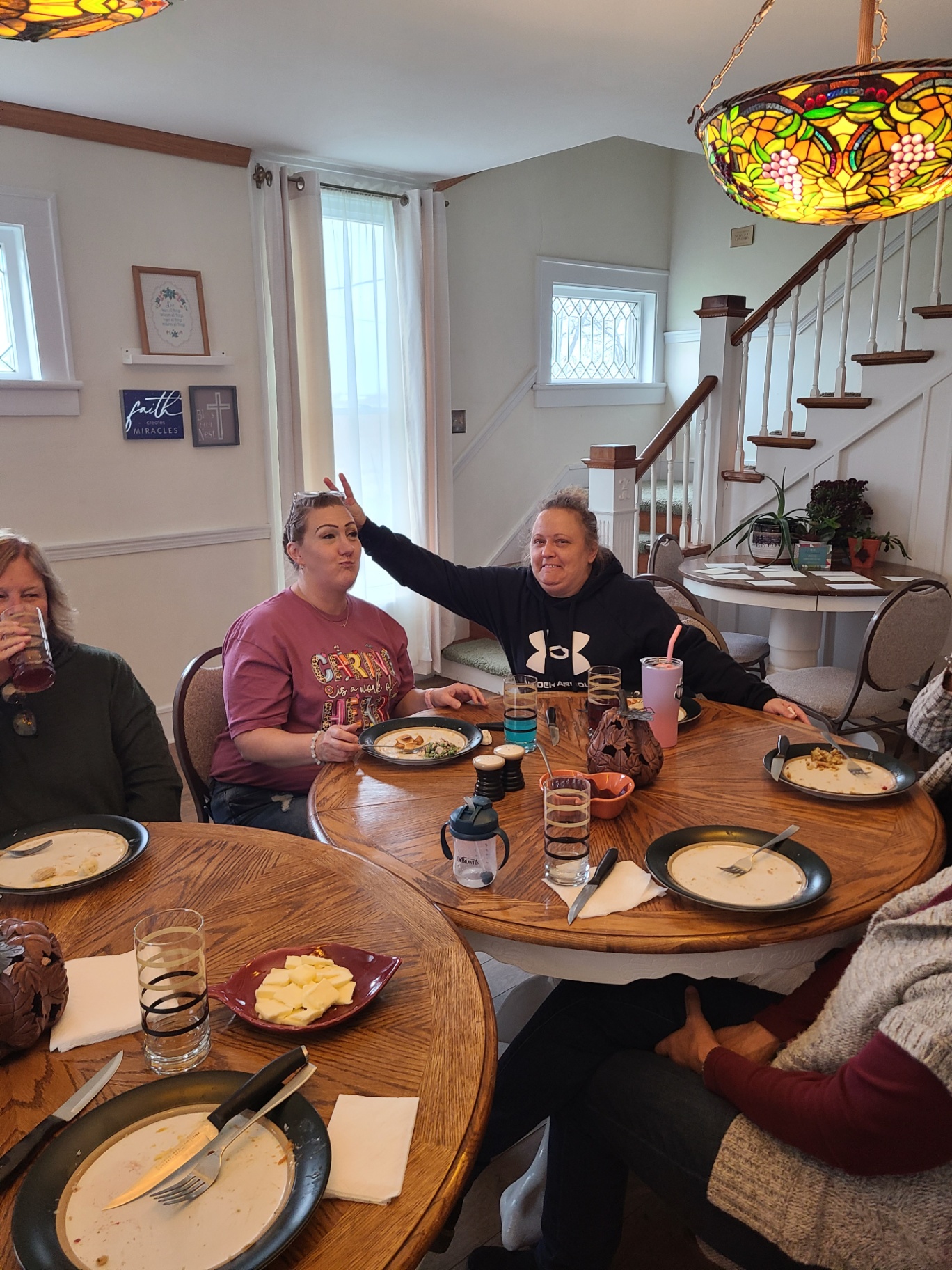
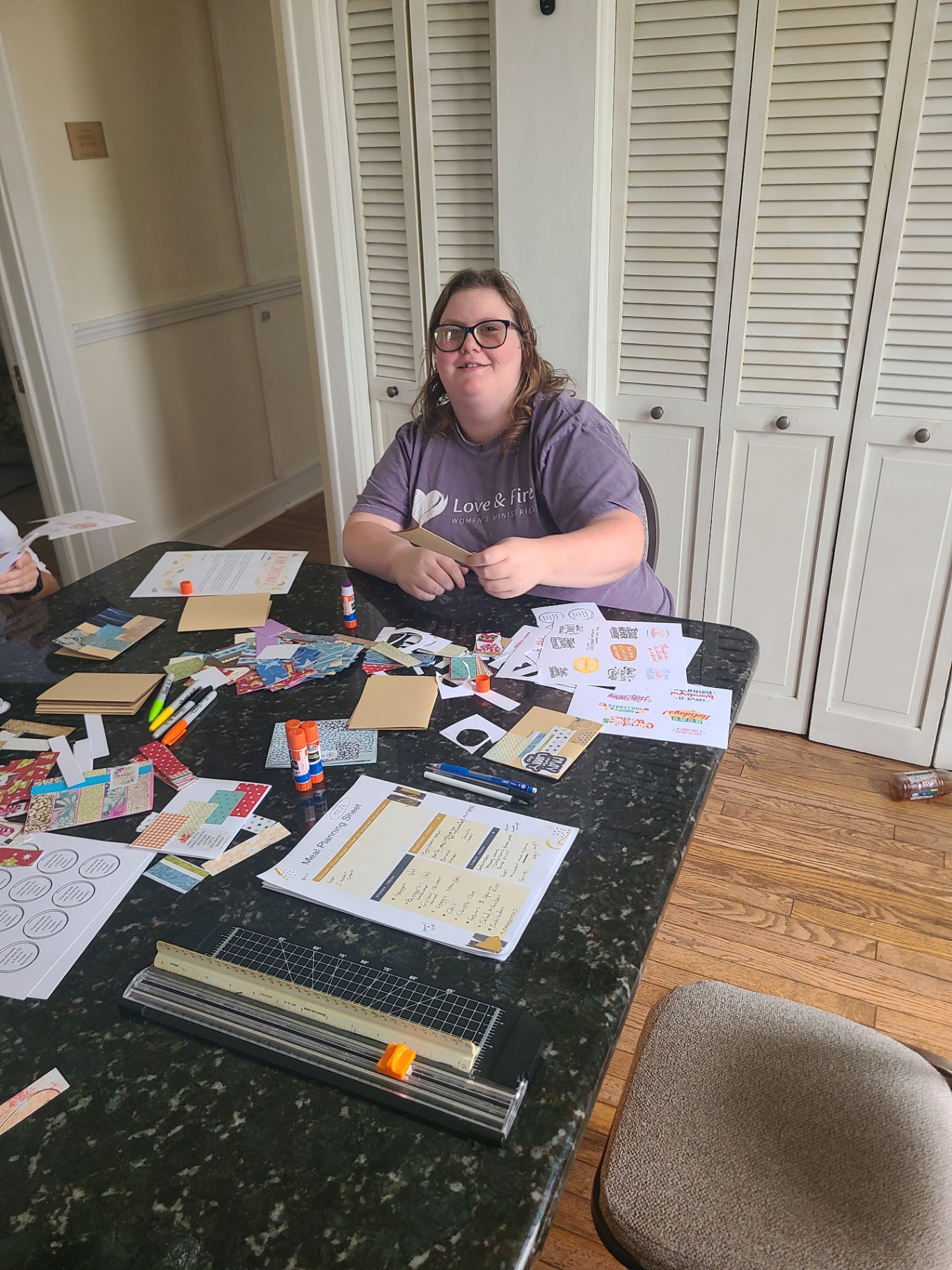
Unlike the temporary nature of shelters or the clinical atmosphere of many rehab centers, trauma programs emphasize building genuine relationships and community. At Kairos Hope, you'll see residents cooking meals together, celebrating birthdays, and supporting each other through difficult days.
Faith-Based Support
Many women's trauma programs, including ours, incorporate spiritual support into the healing process. This isn't about forcing religious beliefs, but recognizing that for many women, faith plays an important role in finding meaning, hope, and strength after trauma.
Life Skills and Empowerment
While shelters might help you find temporary housing and rehabs focus on sobriety, trauma programs work on rebuilding your entire sense of self. This includes practical life skills, healthy relationship patterns, setting boundaries, and rediscovering your identity beyond your traumatic experiences. When individuals are fighting for survival due to trafficking or childhoodsexual abuse, they often miss crucial life skills development like budgeting, cooking, cleaning, and job skills.
Preparation for Life Beyond the Program
The goal of a women's trauma program is to prepare you for a fulfilling, independent life after you complete the program. This means addressing not just the trauma itself, but all the areas of life that trauma has affected. For Kairos Hope graduates, each woman has transportation, safe, independent housing that is fully furnished, a stable job, and asupport team. This sets them up for long-term success and reduces the chances of revictimization.
Why This Distinction Matters for Survivors
Understanding these differences is crucial because getting the right type of support can make the difference between temporary relief and lasting transformation. If you've experienced trauma but aren't in immediate physical danger, a shelter might not address your deeper needs. If your struggles aren't primarily about substance abuse, a traditional rehab program might miss the root issues you're facing.
Women's trauma programs recognize that trauma affects every area of life: relationships, self-image, trust, emotional regulation, communication, and often physical health. They provide the time, support, and specialized care needed to address these complex impacts.
Many women come to trauma programs after trying other types of help that didn't quite fit their needs. They might have stayed in shelters that provided safety but not healing, or completed rehab programs that addressed symptoms but not causes. A specialized trauma program offers something different: the recognition that your experiences matter, your healing takes time, and you deserve comprehensive support.
The length of stay in trauma programs reflects this reality. True healing can't be rushed, and building the skills and support systems needed for long-term recovery takes time. This isn't a sign of weakness: it's a recognition of the courage it takes to face difficult experiences and build a new life.
Finding Your Path to Healing
If you're reading this and recognizing your own story, know that you're not alone. Trauma affects millions of women, and seeking help is a sign of strength, not weakness. You deserve more than just a safe place to stay or a quick fix: you deserve the opportunity to heal completely and build the life you want.
At Kairos Hope, we've seen women transform their lives through comprehensive, compassionate trauma recovery. Our residents don't just survive their experiences: they learn to thrive. They rebuild relationships, discover new strengths, and create hope-filled futures they never thought possible.
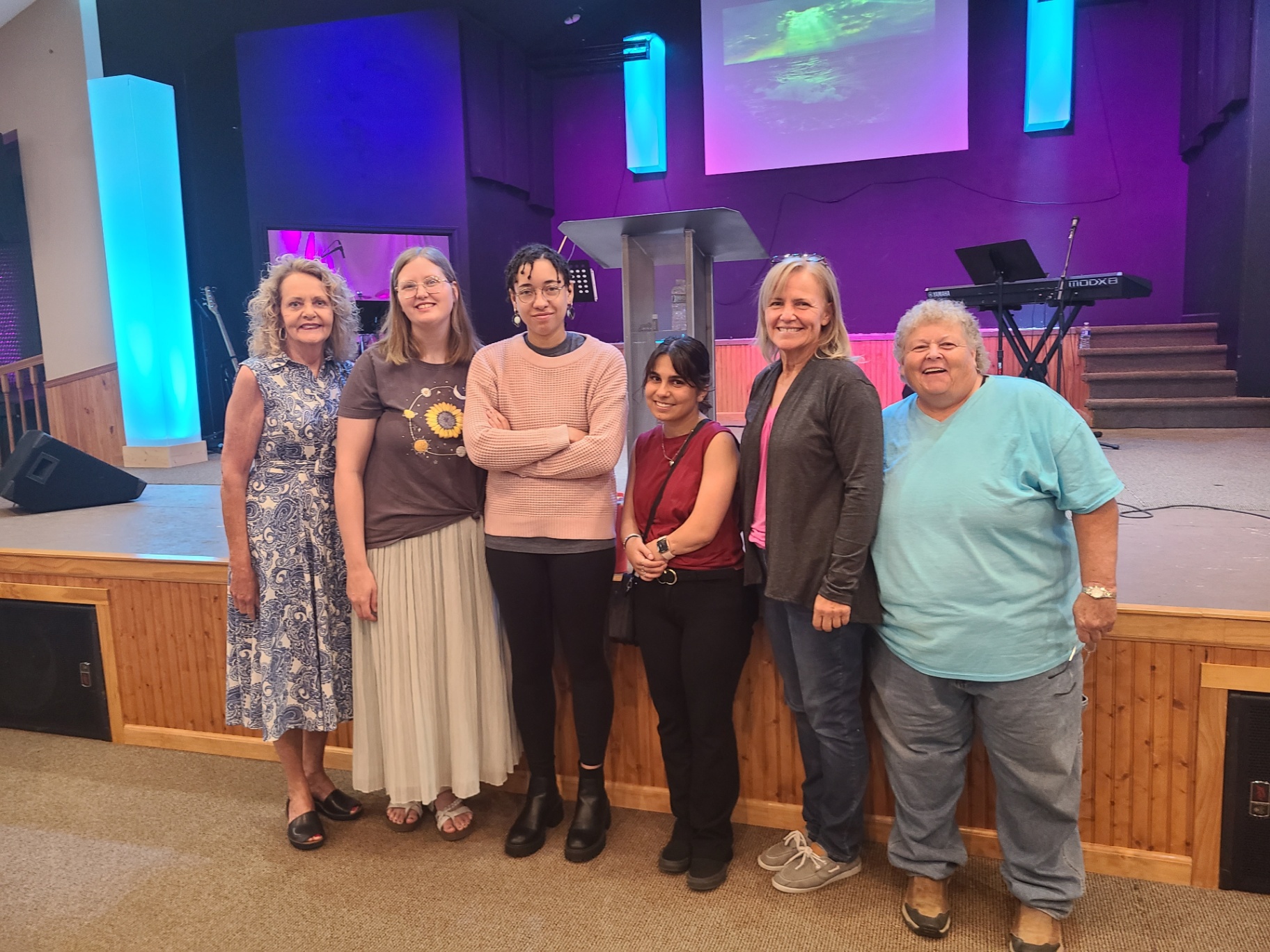
The journey isn't always easy, but it's worth it. And you don't have to walk it alone. Our community of volunteers and residents will support you every step of the way, celebrating your progress and standing with you through challenges.
If you're ready to take the next step in your healing journey, we'd love to talk with you. You can learn more about our program and apply for admission at www.kairoshope.org. Our admissions team is here to answer your questions and help you determine if Kairos Hope is the right fit for your needs.
Your story isn't over: in fact, the best chapters may be yet to come. We believe in your strength, your resilience, and your capacity for healing. Let us help you discover just how much hope is possible.
Comments